
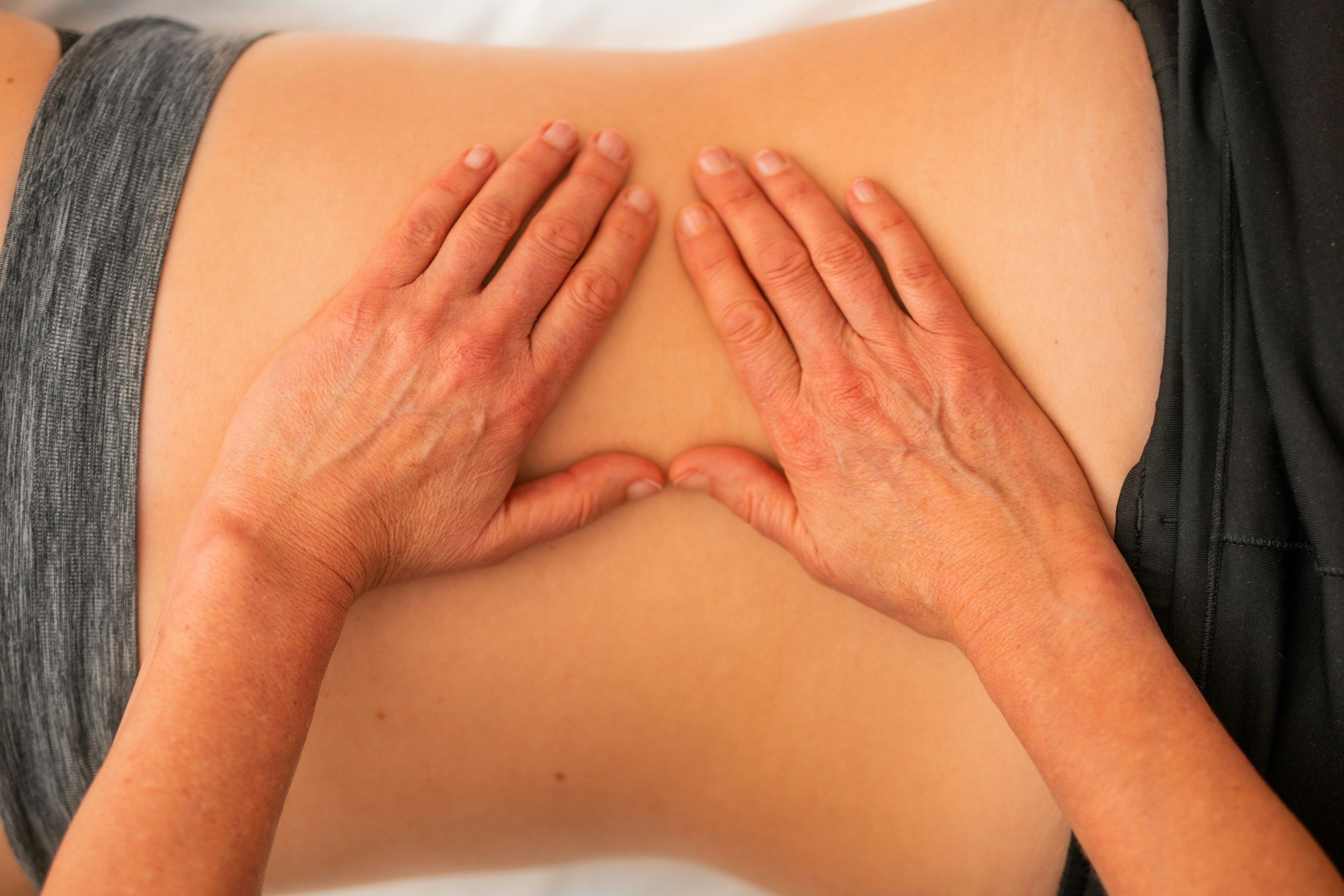
WELCOME TO MY BLOG
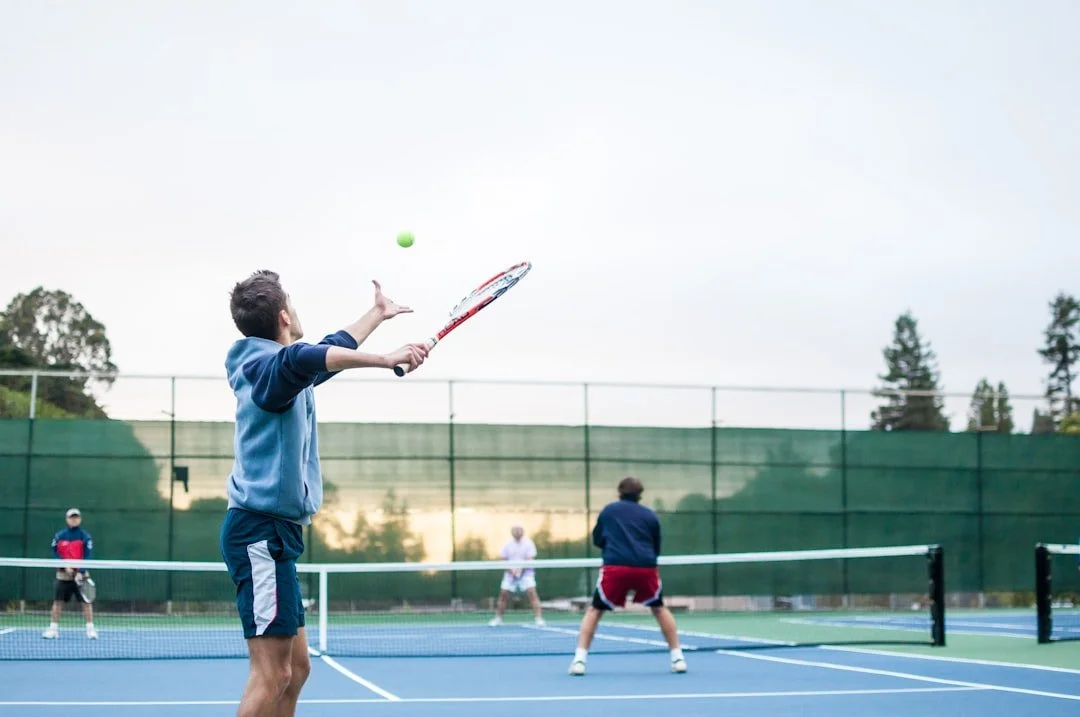
Tennis is a fast-paced sport that places significant demands on the body. Repetitive serves, powerful groundstrokes, quick changes of direction, and long matches can all lead to muscle tightness, fatigue, and overuse injuries.
Sports massage can help tennis players improve mobility, recover faster, and stay performing at their best throughout the season.
Why Tennis Players Benefit from Sports Massage
Tennis relies heavily on speed, rotation, coordination, and endurance. Areas commonly affected by tension include:
Shoulders and rotator cuff
Elbows and forearms
Lower back
Hips and glutes
Quadriceps, calves, and hamstrings
When these muscles become tight or overworked, movement, power, and overall performance can suffer.
Key Benefits
Improved Flexibility and Mobility
Better mobility in the shoulders, hips, and spine can improve serving mechanics, movement around the court, and stroke efficiency.
Injury Prevention
Sports massage helps reduce muscle tension and repetitive strain, lowering the risk of common tennis injuries such as tennis elbow, shoulder pain, calf strains, and lower back issues.
Faster Recovery
Massage promotes circulation and helps reduce soreness after matches, training sessions, and competitions, allowing the body to recover more effectively.
Enhanced Movement and Performance
Releasing tight muscles can improve movement patterns, agility, and coordination, helping players move more freely and perform more consistently on court.
Reduced Stress and Muscle Tension
Tennis is both physically and mentally demanding. Sports massage can help players feel more relaxed, focused, and prepared to compete.
When to Get a Sports Massage
Before matches or tournaments to improve mobility
After playing to support recovery
During injury rehabilitation
As part of a regular maintenance routine throughout the season
Tennis places ongoing demands on the body, and regular sports massage can play an important role in helping players stay mobile, comfortable, and injury-free throughout the lawn tennis season.
Feel free to contact me and we can discuss the best option for you, whether you are currently managing an injury or simply looking to stay in top condition during the season, I’m here to help.
Happy and healthy tennis,
Dan
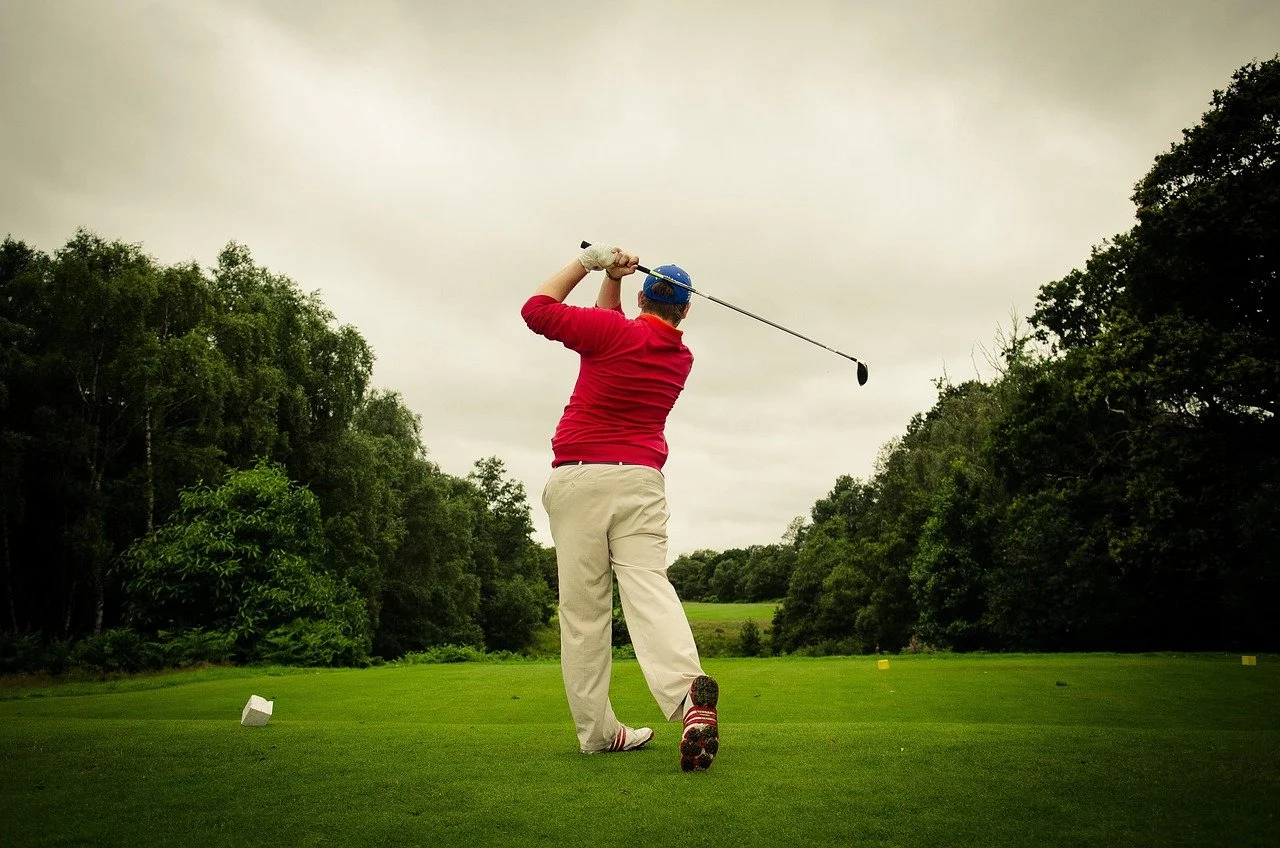
Golf may not seem physically demanding, but repetitive swings, long rounds, and rotational movement place a lot of stress on the body. Over time, this can lead to tight muscles, reduced mobility, and injury.
Sports massage can help golfers improve flexibility, recover faster, and maintain better movement on and off the course.
Why Golfers Benefit from Sports Massage
The golf swing relies heavily on mobility, balance, and coordination. Areas commonly affected by tension include:
Lower back
Shoulders
Hips and glutes
Forearms and wrists
Hamstrings and calves
When these muscles become tight, swing mechanics and overall performance can suffer.
Key Benefits
Improved Flexibility, Better mobility in the hips, shoulders, and spine can improve rotation, posture, and swing efficiency.
Injury Prevention, Sports massage helps reduce muscle tension and overuse strain, lowering the risk of common golf injuries such as back pain, golfer’s elbow, and shoulder issues.
Faster Recovery, Massage promotes circulation and helps reduce soreness after long rounds or practice sessions, allowing the body to recover more effectively.
Better Swing Mechanics, Releasing tight muscles can improve movement patterns, helping golfers achieve a smoother and more consistent swing.
Reduced Stress and Tension, Golf requires mental focus as well as physical ability. Sports massage can help golfers feel more relaxed, focused, and prepared to perform.
When to Get a Sports Massage
Before a tournament or round to improve mobility
After playing to aid recovery
During injury rehabilitation
As part of a regular maintenance routine
Golf places ongoing demands on the body, and regular sports massage can play an important role in keeping you mobile, comfortable, and performing at your best.
Feel free to contact me and we can discuss the best option for you, whether you are currently nursing an injury or would like to engage in some maintenance therapy, I’m here to help.
Happy and healthy golfing,
Dan
Hi folks, hope you are all fit and training well. This week I am posting a blog about the debilitating pain caused by tightness in the ITB and its effect on the surrounding muscles.
Most of my clients have some degree of ITB syndrome, so I see and work with this issue all the time. It is a common condition that occurs when an athlete doesn’t take the area into consideration when stretching, pre and post event or even inactivity.
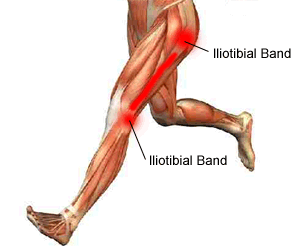
The Iliotibial band (IT Band) is a thick strip of connective tissue that runs down the outside of your thigh, from your hip to your shin. It helps keep your knee stable and supports movements like bending and straightening your hip, which is why it works hard whenever you walk, run, or jump.
Even though the IT band itself has limited elasticity, the muscles around it can easily get tight. Things like running on hard or uneven surfaces, suddenly increasing your training load, weak glutes, poor movement patterns, or spending a lot of time sitting can all make the Tensor Fascaie Latae (TFL) and the glute muscles tense up. When those muscles tighten, they pull on the IT band and create that familiar tight or irritated feeling along the outside of the leg or around the knee.
Sports massage can make a big difference here. By using techniques such as deep tissue work, myofascial release, trigger-point pressure, and cross-fiber friction, the therapist focuses on relaxing the TFL, glutes, and surrounding tissues rather than trying to “stretch” the IT band itself. These techniques help reduce muscle tension, improve circulation, break up adhesions, and restore smoother movement in the tissues. As a result, the IT band feels less tight, and the whole area functions more comfortably and efficiently.
If you think you might have ITB syndrome — maybe you’re noticing persistent pain along the outside of your knee or hip — it’s always a good idea to get some professional guidance. Feel free to give me a call or and I’ll be more than happy to advise you or help you figure out the best next steps.
Keep loose,
Dan